





History of Clan MacRae

The Sons of Grace: History of Clan MacRae
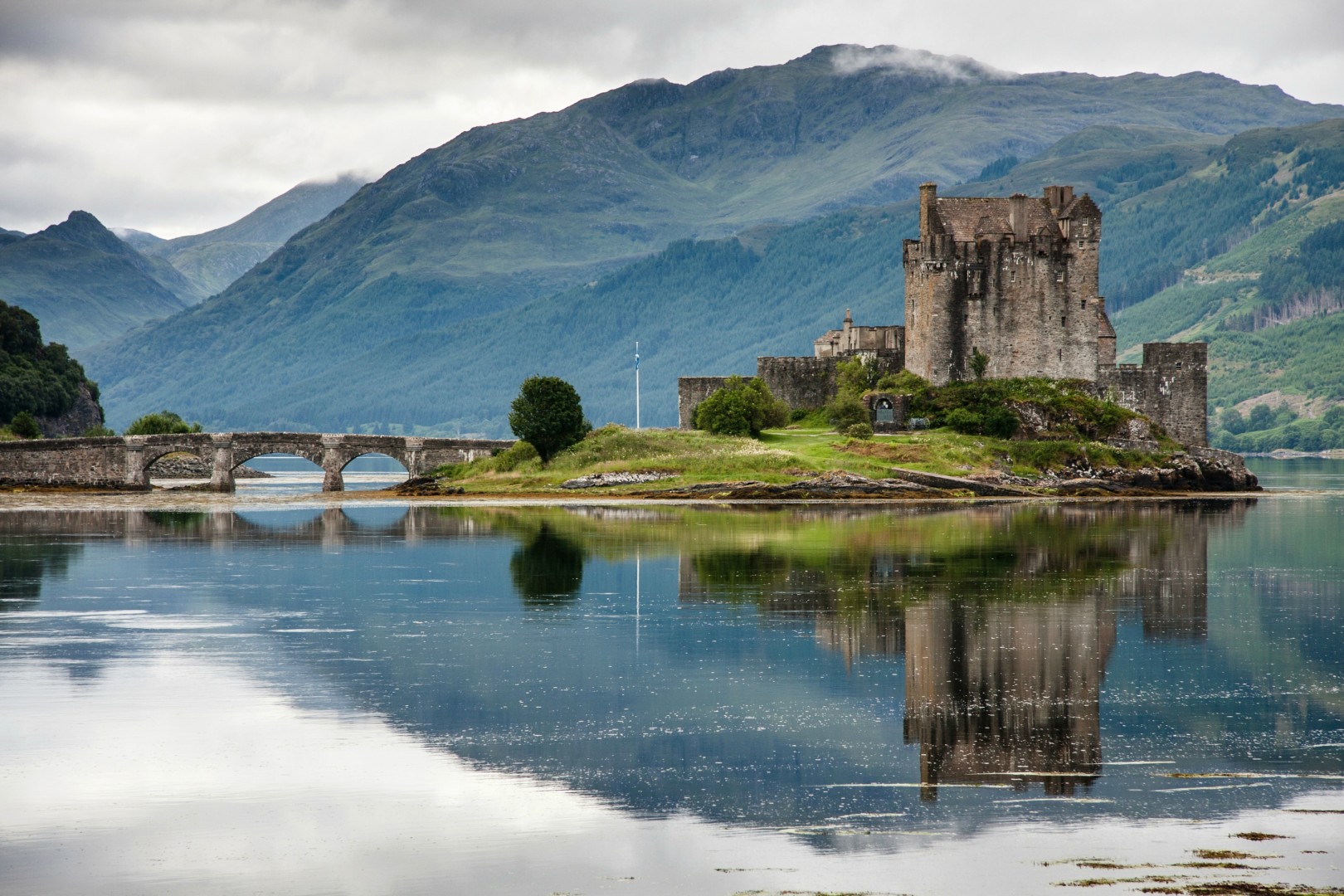
Clan MacRae (Gaelic: Mac Rath) translates to "Son of Grace" or "Son of Luck." The name implies a person of ecclesiastical or fortunate standing. The clan's origins are traditionally traced to Ireland, sharing a common ancestry with the Mackenzies and Macleans. They settled in the lands of Kintail in Ross-shire, a rugged and beautiful region dominated by the Five Sisters mountains. For centuries, the MacRaes were the most loyal allies of the Clan MacKenzie, serving as their bodyguards and the hereditary constables of Eilean Donan Castle.
The MacKenzie's Shirt of Mail
The bond between the MacRaes and the MacKenzies was so strong that the MacRaes became known as the "MacKenzie's Shirt of Mail" (or coat of mail). This nickname symbolized their role as the fierce protectors of the MacKenzie chiefs. In 1539, the clan achieved one of its most famous victories. The Clan MacDonald of Sleat besieged Eilean Donan Castle with a fleet of galleys. The fortress was defended by only a handful of men, including the constable, Duncan MacRae. With a lucky (or skillful) arrow shot, Duncan killed the MacDonald chief, Donald Gorm, ending the siege and saving the castle.
Civil War and the Fernaig Manuscript
During the Civil War, the MacRaes were staunch Royalists. They fought under the Marquess of Montrose and suffered heavy losses at the Battle of Auldearn in 1645. The clan was also known for its intellect. Duncan MacRae of Inverinate, grandson of the Constable of Eilean Donan, compiled the famous Fernaig Manuscript (1688–1693). This document is a treasure trove of Gaelic poetry and political commentary, offering a unique insight into the Highland mind during a turbulent era.

Jacobites and The Affair of the Wild MacRaes
The MacRaes were divided during the Jacobite Risings. While many sided with the Jacobites under the Earl of Cromartie in 1745, others joined the government's Independent Companies. A notable event occurred in 1778 involving the 78th Regiment (Seaforth Highlanders), largely composed of MacRaes. When rumors spread that they were to be sold to the East India Company, the soldiers mutinied in Edinburgh. They occupied Arthur's Seat for days in protest, an event known as the "Affair of the Wild MacRaes." Their grievances were eventually addressed, and they went on to serve with distinction in India.

Modern Legacy
One of the most famous poems of the 20th century, "In Flanders Fields," was written by a clansman, Lieutenant-Colonel John McCrae, during World War I. Today, the clan is armigerous (without a hereditary Chief), but the Clan MacRae Society is active globally. The MacRaes continue to gather at Eilean Donan, their ancestral home, remembering their history as the loyal guardians of Kintail.